The challenge
Excessive floor vibration limited production speed as the operator worked to minimise rejected products.
Case studies
Evidence-verified project accounts explain the site condition, selected intervention and measured outcome without disclosing client identities or sensitive operating details.
Evidence standard
Each case study distinguishes observed symptoms, the installed scope and measured results. Missing information and limitations remain visible rather than being replaced with marketing inference.
Client names and identifying details are withheld. Published project facts and images remain subject to source verification and confidentiality review.
Industrial floor vibration
At an anonymized precision-manufacturing facility in Singapore, excessive floor vibration forced stamping machines to run more slowly. URETEK Vietnam treated 128 m² in one day while production continued.
Excessive floor vibration limited production speed as the operator worked to minimise rejected products.
Expanding Rigid Ground resin was injected through small planned holes to fill voids beneath the slab and restore positive floor support. Supplemental injections fine-tuned the result.
Production continued during treatment. The machines returned to full production speed and the completed work met the agreed expectations.
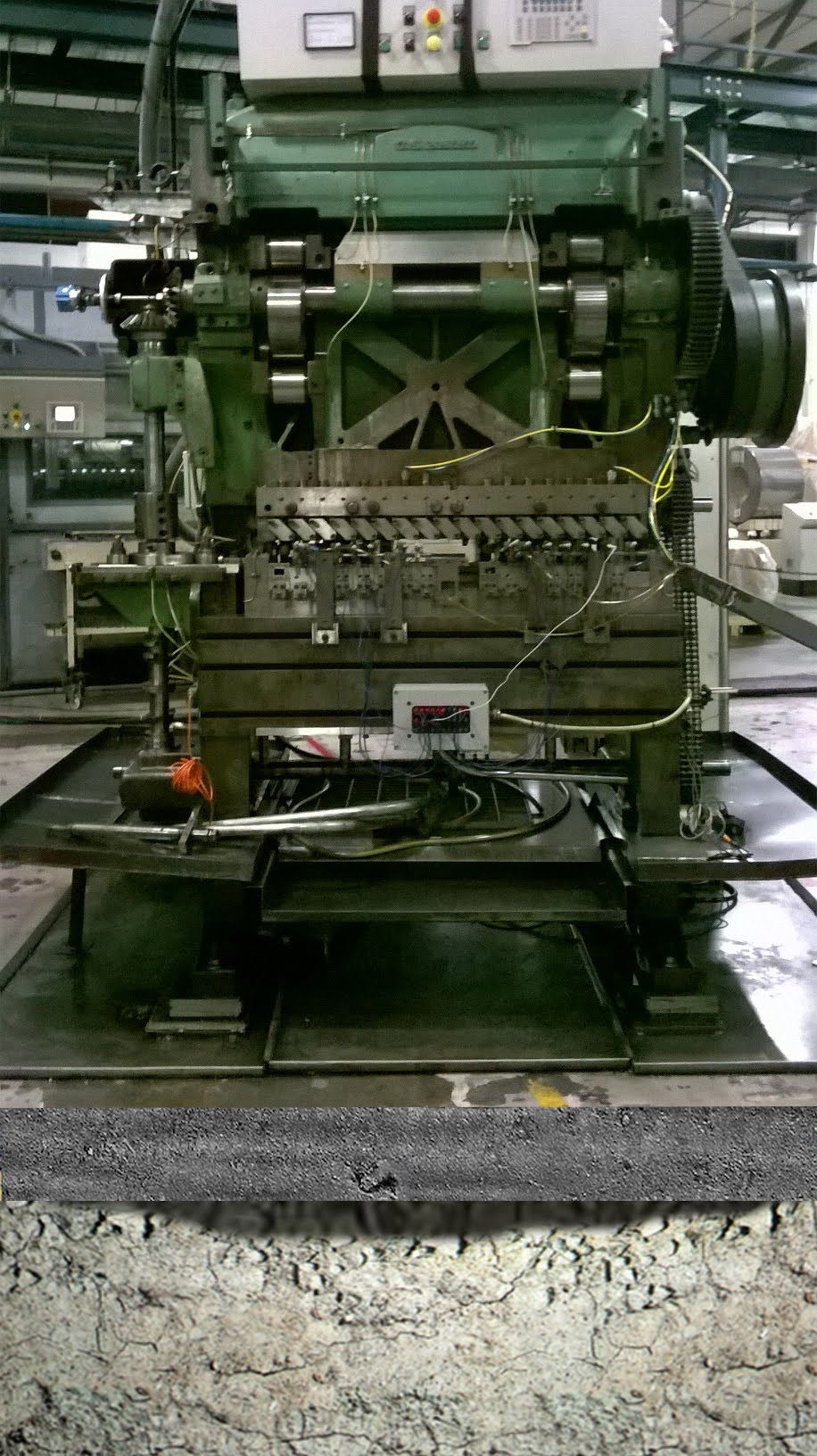
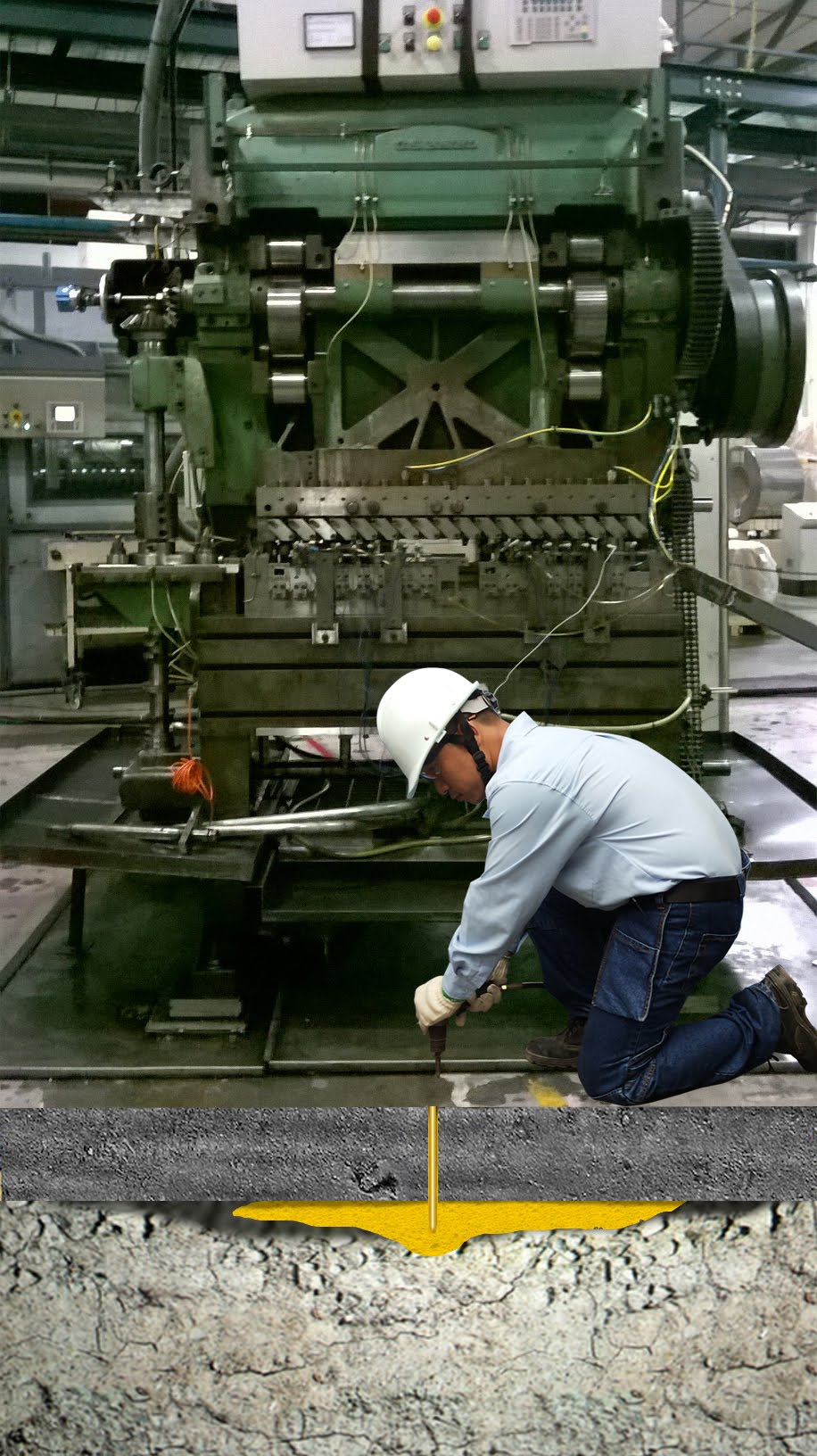
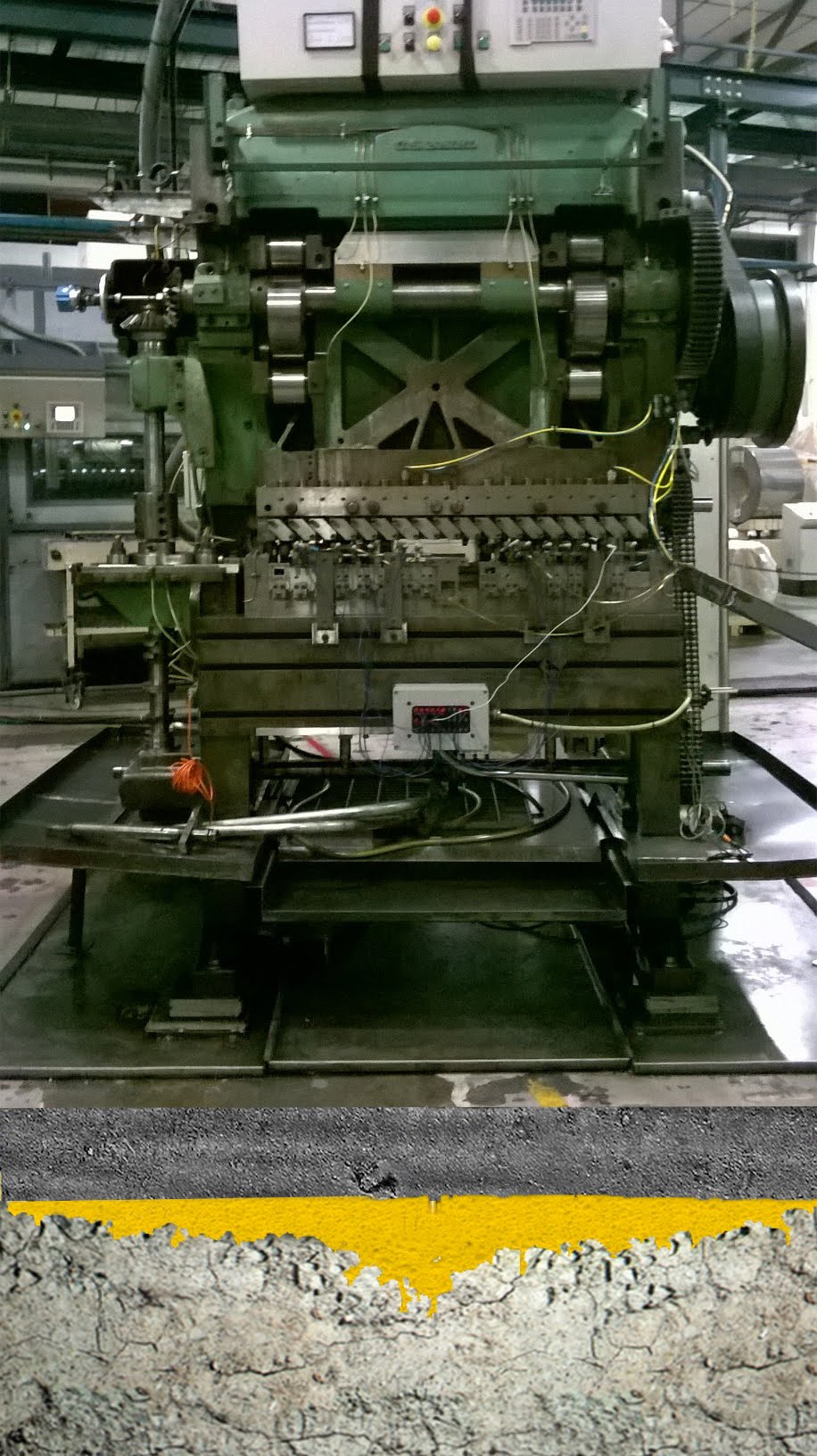
The final report recorded 0.002g at one machine while the remaining machines were shut down. No percentage reduction is claimed because no comparable numerical pre-treatment baseline was recorded. Subsurface views are explanatory illustrations. Client identity is not disclosed.
Publication structure
Asset context, visible symptoms, operational constraints and the evidence available at the start.
Records reviewed, observations made, tests used, uncertainties identified and specialist inputs required.
Options considered, selection factors, exclusions, design responsibility and why the chosen pathway fit the documented conditions.
Approved scope, monitoring, hold points, access controls and any departures recorded during execution.
Measurement method, timing, acceptance basis and the difference between immediate observations and longer-term evidence.
Site-specific limitations, information that cannot be disclosed and conclusions the evidence does not support.
Approval gate
Explore the decision process
Contact the regional network about a site-specific assessment.
Contact URETEK ASIA →